Wildland Fire Hand Tools: A Guide to Essential Fireline Tools
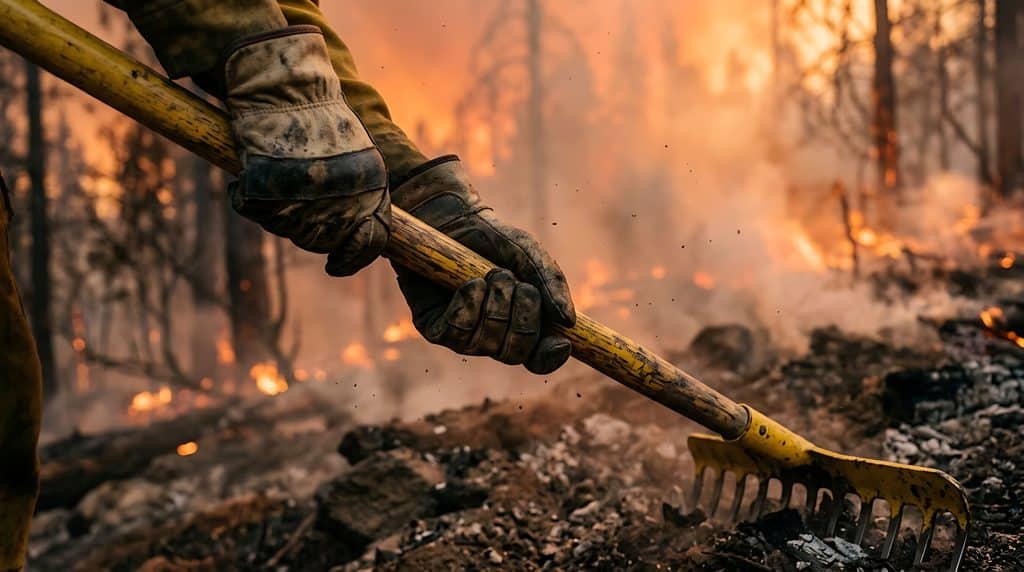
Wildland fire hand tools help firefighters cut, dig, scrape, rake and remove vegetation and other material while constructing and maintaining fireline. Common wildland firefighting tools include Pulaskis, McLeods, fire rakes, shovels, axes and combination tools.
Each tool serves a different purpose. Understanding those differences can help firefighters and crews select equipment suited to the vegetation, soil, terrain and work being performed.
Wildland Warehouse carries wildland firefighting hand tools for fireline operations, including Pulaskis, McLeods, rakes, shovels and other tools.
What Hand Tools Do Wildland Firefighters Use?
The exact tools used on an assignment depend on the work being performed and local conditions.
Common wildland fire hand tools include:
- Pulaskis
- McLeods
- Fire rakes
- Shovels
- Axes
- Combination tools
- Grubbing and digging tools
These tools can be used to remove vegetation and surface debris, expose mineral soil, cut roots, dig and perform other work involved in constructing or maintaining fireline.
The National Wildfire Coordinating Group (NWCG) defines a handline as fireline constructed using hand tools.
For firefighters and crews looking for equipment, Wildland Warehouse offers a selection of wildland fire hand tools for a range of fireline tasks.
What Is a Pulaski Used For?
The Pulaski is one of the most recognizable wildland firefighting tools.
It combines two working surfaces on a single head: an axe blade and a narrow adze-like grubbing or trenching blade. According to the NWCG Glossary of Wildland Fire, the Pulaski is widely used in fireline construction.
The axe side can be used for chopping woody material, while the grubbing side is suited to digging, trenching and working around roots.
This combination makes the Pulaski useful when firefighters encounter both vegetation and soil during fireline construction.
The National Wildfire Coordinating Group’s Pulaski definition explains its design and role in wildland fire operations.
When Is a Pulaski Useful?
A Pulaski can be useful when fireline construction requires a combination of chopping and digging.
Tasks can include:
- Cutting through roots
- Chopping woody vegetation
- Digging into soil
- Trenching
- Grubbing material from the line
Because one tool provides both chopping and digging surfaces, the Pulaski can handle several types of work without requiring the firefighter to switch tools.
What Is a McLeod Tool Used For?
A McLeod combines a hoe-like cutting or scraping surface with a rake.
NWCG defines the McLeod as a combination hoe or cutting tool and rake. This design makes it particularly useful for working with loose vegetation, surface debris and soil during fireline construction and maintenance.
Wildland Warehouse’s McLeod Tool, for example, combines a six-tine rake with a hoe and is designed for clearing brush and surface debris as well as digging soil to construct fire control lines during wildfires and prescribed burns.
Firefighters may use the rake side to move loose material and the hoe side to scrape or dig.
Browse the McLeod Tool from Wildland Warehouse for an example of this traditional combination design.
What Is the Difference Between a Pulaski and a McLeod?
The primary difference is the type of work each tool is designed to perform.
A Pulaski combines an axe with a grubbing or trenching blade, making it particularly useful when chopping and digging are required. A McLeod combines a rake with a hoe-like cutting or scraping surface, making it useful for moving surface material and working soil.
In simple terms:
Pulaski: better suited to a combination of chopping, grubbing and trenching.
McLeod: better suited to raking, scraping and clearing loose surface material.
Neither tool is universally better than the other. The appropriate choice depends on the fuels, terrain, soil and task.
Crews may use several different tools together when constructing handline because different sections of the line can require different types of work.
What Are Fire Rakes Used For?
Fire rakes are designed to rake, scrape and clear vegetation or other material from the ground.
Depending on their design, they can be useful for working through grasses, leaves, pine needles, light brush and other surface fuels.
The specific capabilities of a rake depend on its head and tooth design, so firefighters and purchasers should review individual tool specifications before selecting one.
Fire rakes are one of several tool types included in NWCG’s equipment standards for wildland fire operations.
What Are Shovels Used for in Wildland Firefighting?
Shovels provide a straightforward but versatile option for digging, scraping and moving soil.
During fireline work, a shovel may be used for tasks such as:
- Digging
- Scraping
- Moving soil
- Clearing loose material
- Working around hot spots as assigned
NWCG training material includes shovels alongside Pulaskis and McLeods when teaching proper hand-tool use.
A shovel’s usefulness makes it an important component of many wildland firefighting tool inventories even though it does not combine multiple working surfaces like a Pulaski or McLeod.
When Are Axes Used on the Fireline?
Axes are primarily cutting tools.
They can be useful when work involves woody vegetation or other material that needs to be chopped. NWCG’s fire equipment standards include several single-bit axe configurations among its listed tools.
As with any fireline tool, the axe selected should be appropriate for the work and used according to applicable training and agency procedures.
A Pulaski can offer an alternative when both chopping and digging capabilities are needed in a single tool.
How Do You Choose the Right Wildland Fire Hand Tool?
There is no single hand tool that is ideal for every fireline environment.
Tool selection can depend on several factors:
Vegetation
Dense woody vegetation may require different cutting capabilities than grass, leaves, needles or loose surface fuels.
Soil
Hard, rocky or compacted ground creates different demands than softer soil. Digging and grubbing tools may become more important when crews need to expose mineral soil.
Terrain
Slope and access can affect which tools are practical to carry and use.
Assigned Task
Constructing new handline, maintaining existing line and clearing vegetation can require different tool capabilities.
Tool Condition
Even the right type of tool should not be used if it is damaged or improperly maintained.
Firefighters should follow their training, agency procedures and incident assignments when determining which tools to use.
How Should Wildland Fire Hand Tools Be Inspected?
Wildland fire hand tools are subjected to demanding conditions and should be inspected for damage and wear.
Depending on the tool, an inspection may include checking for:
- Cracked or damaged handles
- Loose tool heads
- Bent components
- Broken or severely damaged rake teeth
- Damaged cutting edges
- Rust or corrosion
- Other structural damage
NWCG’s Standards for Fire Equipment Storage and Refurbishing provide specific inspection criteria for tools such as Pulaskis and McLeods.
For example, NWCG’s Pulaski criteria call for checking the head, grubbing end and handle for conditions such as damage, bending, twisting and cracks. Its McLeod criteria similarly address the cutting edge, rake fingers, tool head and handle.
The NWCG Standards for Fire Equipment Storage and Refurbishing provide additional guidance for inspecting and refurbishing fire equipment.
Should Wildland Fire Hand Tools Be Sharpened?
Cutting and digging surfaces may require maintenance to remain serviceable, but sharpening should follow the appropriate specifications for the tool.
NWCG’s refurbishment guidance includes sharpening procedures for applicable tools and warns against grinding a tool until the metal becomes hot enough to affect its temper.
Maintenance is not simply about creating the sharpest possible edge. The tool needs to remain within appropriate specifications and free of structural damage.
Firefighters and equipment managers should follow manufacturer, agency and applicable NWCG guidance when maintaining fireline tools.
How Should Fireline Tools Be Carried and Handled?
Safe handling is an important part of working with wildland firefighting tools.
NWCG training emphasizes proper grip, stance, spacing, carrying and storage when using hand tools. Firefighters should be trained in the correct use of each tool before working with it on an assignment.
Because Pulaskis, axes, McLeods and similar tools can have cutting or pointed surfaces, improper handling can create hazards for both the person carrying the tool and nearby crew members.
Follow current agency training and procedures for carrying, passing, spacing and storing hand tools.
What Other Equipment Is Used With Wildland Fire Hand Tools?
Hand tools are only one component of a firefighter’s equipment.
Depending on the assignment, firefighters may also require PPE, fire shelters, packs, hydration equipment, communication equipment and other fireline essentials.
If you’re preparing for an assignment, our wildland fire gear checklist covers equipment and supplies to consider before heading to the fireline.
Firefighters should also inspect their required wildland firefighting PPE before deployment and make sure every item meets applicable agency or employer requirements.
Build a Reliable Wildland Fire Tool Setup
Pulaskis, McLeods, rakes, shovels and axes each fill different roles in wildland firefighting. Some tools are designed primarily for cutting, while others excel at digging, scraping, raking or combining several functions.
The best tool depends on the job. Consider the vegetation, soil, terrain and assigned task, and make sure every tool is inspected and maintained before it is placed into service.
Wildland Warehouse carries wildland firefighting hand tools and other wildland firefighting equipment for firefighters, crews, departments and agencies preparing for fireline operations.