How to Choose Wildland Firefighting Gloves for Fireline Work
Wildland firefighting gloves should protect your hands while still providing the dexterity and grip needed to work with tools and equipment on the fireline. When choosing gloves, consider the applicable safety standard, material, fit, wrist coverage, dexterity and the requirements established by your agency or employer.
Not every leather work glove is designed or certified for wildland firefighting. Checking the specifications of an individual glove before relying on it as PPE is an important part of selecting the right gear.
Wildland Warehouse carries a range of wildland firefighting gloves shop wildland firefighting gloves for firefighters, crews and departments.
What Kind of Gloves Do Wildland Firefighters Wear?
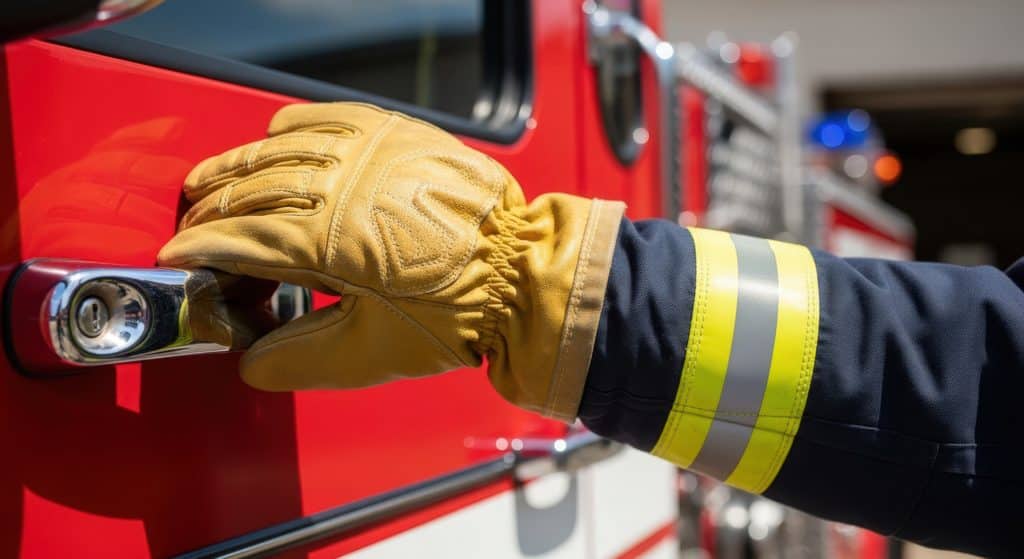
Wildland firefighters use protective gloves designed to help protect their hands from hazards encountered during fireline operations.
The National Wildfire Coordinating Group (NWCG) includes gloves among the personal protective equipment used to reduce the risk of injury or exposure to hazardous conditions during wildland firefighting.
Depending on the product and applicable requirements, wildland fire gloves may be designed to provide protection against hazards such as:
- Heat and flame
- Cuts and punctures
- Abrasion
- Rough vegetation
- Tool-related wear
- Debris
At the same time, gloves need to provide enough mobility and dexterity for firefighters to perform their assigned tasks.
The exact glove requirements can vary by agency, employer and assignment, so firefighters should always confirm the specifications they are required to meet.
What Should You Look for in Wildland Firefighting Gloves?
Choosing wildland firefighter gloves involves more than finding a pair that feels durable. Fireline work places competing demands on hand protection: gloves need to provide protection without making it unnecessarily difficult to grip and operate equipment.
Consider these factors when comparing gloves.
1. Certification and Applicable Standards
Start by checking the certification listed for the individual glove.
Historically, NFPA 1977 covered protective clothing and equipment for wildland firefighting and wildland-urban interface operations. Beginning with the 2025 edition, NFPA 1977 was consolidated into NFPA 1950. Wildland firefighting items certified to the newer standard may therefore carry an NFPA 1950 (1977) designation.
NWCG explains that NFPA certification indicates that PPE has been third-party tested for applicable requirements involving areas such as design, performance, labeling and user information.
Older PPE certified under previous NFPA 1977 editions does not automatically become unusable simply because the standard has changed. Its condition and the requirements of the firefighter’s organization still matter.
For more information about certification, see the NWCG explanation of NFPA standards for wildland PPE. NWCG NFPA guidance
Always check the certification label and current product specifications rather than assuming that all firefighting or leather gloves meet the same requirements.
2. Material and Construction
Leather is commonly used in wildland firefighting gloves because of its durability and protective characteristics, but construction varies significantly from one glove to another.
For example, Wildland Warehouse’s Wildland NFPA Approved Gloves use cowhide suede leather and are designed for resistance to flame, heat, cuts and punctures. They also include a double-layer knit Nomex® wristlet.
Construction details can affect durability, comfort and protection, so compare individual product specifications rather than choosing gloves based on material alone.
3. Dexterity
Protection is important, but firefighters also need to be able to work effectively while wearing their gloves.
Wildland firefighting can involve handling hand tools, equipment and other gear. A glove that significantly restricts movement may make these tasks more difficult.
Look for a balance between protection and the dexterity required for your assignment.
Some glove designs specifically address this concern. Wildland Warehouse’s Wildland NFPA Approved Gloves view the NFPA-approved glove specifications, for example, are designed to provide hand dexterity and grip in both dry and wet conditions.
4. Proper Fit
Glove fit affects both comfort and function.
Gloves that are too loose can make precise movements and tool handling more difficult. Gloves that are too tight can restrict movement and become uncomfortable during extended wear.
When available, use the manufacturer’s sizing instructions rather than relying only on the size you normally purchase.
For example, the sizing instructions for Wildland Warehouse’s NFPA-approved gloves use hand circumference measured across the metacarpal knuckles. Sizing ranges from Small through 2XL.
Always use the sizing method specified for the particular glove you are considering.
5. Wrist Coverage
Don’t overlook the wrist area when comparing gloves.
Different wildland gloves use different cuff and wrist designs. Depending on the product, this can include extended cuffs or knit wristlets designed to provide coverage and help the glove remain in place.
Consider how the glove works with the rest of your protective clothing. PPE should function as a system rather than as a collection of unrelated pieces.
Firefighters outfitting more than one part of their setup can also explore Wildland Warehouse’s wildland clothing and PPE packages view wildland clothing packages.
Are Ordinary Leather Work Gloves the Same as Wildland Fire Gloves?
Not necessarily.
A leather glove may provide useful abrasion protection for general work, but that does not mean it has been tested or certified to a standard required for wildland firefighting PPE.
This distinction is especially important when comparing lower-cost work gloves with products specifically sold as certified wildland firefighting gloves.
Before relying on any glove for fireline PPE, check:
- Product certification
- Applicable NFPA designation
- Manufacturer specifications
- Materials and construction
- Fit and sizing
- Agency or employer requirements
Wildland Warehouse sells both general-purpose work gloves and gloves specifically identified for wildland firefighting, so buyers should review each product’s intended use and specifications before purchasing.
How Should Wildland Firefighting Gloves Fit?
Wildland firefighting gloves should fit securely while allowing the hand and fingers to move well enough to perform required tasks.
When trying or sizing gloves, consider whether you can comfortably:
- Flex and extend your fingers
- Close your hand around a tool
- Maintain a secure grip
- Move your wrist
- Wear the gloves with your other required PPE
Avoid assuming that every manufacturer’s Small, Medium or Large will fit identically. Follow the sizing information provided for the specific product.
A proper fit becomes particularly important when gloves are worn for long periods. Poorly fitting PPE can interfere with comfort and movement during already demanding fireline assignments.
When Should Wildland Fire Gloves Be Replaced?
Protective gloves should be inspected regularly and before relying on them in the field.
Look for signs of deterioration or damage such as:
- Holes or tears
- Worn or damaged leather
- Failed seams
- Damaged wristlets or cuffs
- Excessive wear in the palm or fingers
- Damage caused by heat or other exposure
- Changes that affect fit or dexterity
NWCG advises firefighters to inspect PPE and ensure it remains in good working condition. The manufacturer’s care and inspection instructions should also be followed.
Damaged gloves should not be kept in service simply because they still look usable at a glance.
How Do Gloves Fit Into a Complete Wildland PPE Setup?
Gloves are only one part of the protective equipment used during wildland firefighting.
Depending on the assignment and agency requirements, PPE may also include flame-resistant clothing, a helmet, eye protection, footwear, hearing protection, chainsaw protection and a fire shelter.
For a broader overview, read our guide to wildland firefighter PPE What PPE Do Wildland Firefighters Wear?.
You can also browse Wildland Warehouse’s complete selection of wildland fire line gear shop fire line gear, including gloves, packs, protective equipment, tools and other fireline essentials.
Choose Wildland Firefighting Gloves for the Job
The right wildland firefighting gloves should provide appropriate protection without sacrificing the fit, grip and dexterity needed to perform fireline tasks.
Before purchasing, check the glove’s certification, materials, construction, sizing and intended use. Most importantly, make sure the gloves meet the requirements established by your agency or employer.
Wildland Warehouse carries wildland firefighting gloves browse available wildland fire gloves ranging from work gloves to certified wildland options, making it easier to compare products and find the right fit for your fireline gear.